JABARI
5 Rory Sutherland Lessons for Better Hiring
What behavioural science can teach TA teams about hiring in batches, shortlists and spotting talent others miss.
- Hiring one person pushes you to the safe choice. Hiring in batches lets you take more chances.
- One under-represented person on a shortlist rarely gets hired. Two changes the odds.
- Save some roles for explorer hires with unusual backgrounds.
- Identical rules for everyone can feel fair but produce the same type of hire.
- If your process only rewards one life path, you'll miss exceptional people.
Rory Sutherland gave a packed keynote at RecFest, and his book on human psychology is full of ideas that apply to hiring. Here are five things he taught us about recruitment.
1. Hire in batches, not potatoes
When you hire one person, you look for the safest option: the potato hire. Potatoes are reliable, versatile and won't surprise you.
But when you hire ten people at once, you stop picking ten potatoes. You take more risks, choose outliers and accept that not all will work out. The result is more variety and a higher chance of finding exceptional talent.
The takeaway: hire in groups where you can. Diversity and originality grow.
2. The power of more than one
Research shows that if there's just one woman on a shortlist, her chances of being hired are slim. Add a second woman and the odds change dramatically. The same is true for race, background or any other trait that stands out.
The takeaway: don't add just one of anything to a shortlist and expect change. Representation works in numbers.
3. The explorer rule
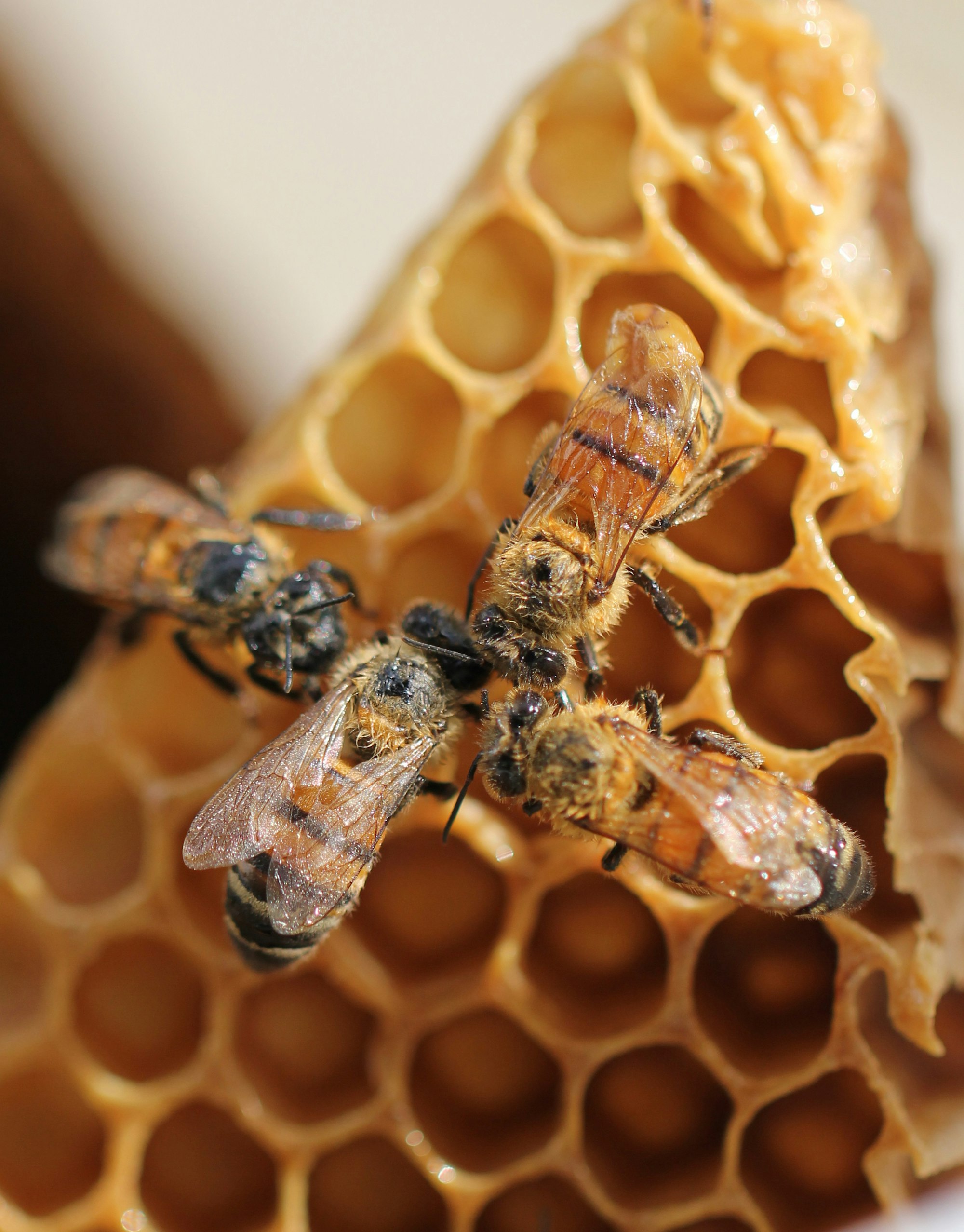
In a beehive, most bees fly to the same proven food source. A smaller group heads off in random directions to see if there's something better. They sometimes come back with nothing, but they're the ones who find new food and keep the hive alive long term.
Hiring works the same way. Most roles go to safe, proven candidates. Save some space for explorer hires: people with unconventional backgrounds, unusual skills or unexpected career paths.
The takeaway: safe hires keep you steady. Explorers bring breakthroughs. You need both.
4. Fairness vs variety
When every candidate is judged against identical rules, the same type of person keeps winning. It feels fair, but it doesn't produce variety.
Ogilvy flipped its intern process. Instead of looking at CVs, everyone got the same creative task and only the work was judged. They ended up with a much more diverse intake, including someone who went on to create a Cannes-winning Hellmann's campaign.
The takeaway: rethink what fair really means.
5. Spot the talent others miss
Many well-off candidates know how to tick the boxes: family internships, top grades, music lessons, charity work, private tutoring. Someone who's a brilliant backgammon player might be just as talented but never had the chance to tick the respectable boxes.
Chasing the average best fit usually leads to average performance. The people who move the needle are often at the extremes.
The takeaway: if your process only rewards one life path, you'll keep missing exceptional people who took another.
What does Rory Sutherland say about hiring?
He argues that hiring one person at a time pushes managers to safe choices, and that hiring in batches, valuing outliers and judging work over CVs leads to better, more diverse teams.
Why does having two diverse candidates on a shortlist matter?
Research suggests a lone candidate who stands out is rarely hired, but adding a second candidate with the same trait changes the odds dramatically.
How did Ogilvy make its intern hiring more diverse?
It replaced CV screening with the same creative task for every applicant and judged only the work.
- Rory Sutherland keynote at RecFest
- Rory Sutherland, Alchemy